
Awards & Fellowships
About
SSPC gives two awards to individuals who have made outstanding contributions to the field of cultural psychiatry and an award for distinguished service to the organization. A committee comprised of the President of the Society, a member chosen by the Board, and the most recent recipients will accept nominations annually for these awards. Additionally, SSPC awards two fellowships to current trainees in medicine and social science fields. A committee of SSPC members and past fellows review manuscripts to select fellowship winners.
2026 Award Recipients
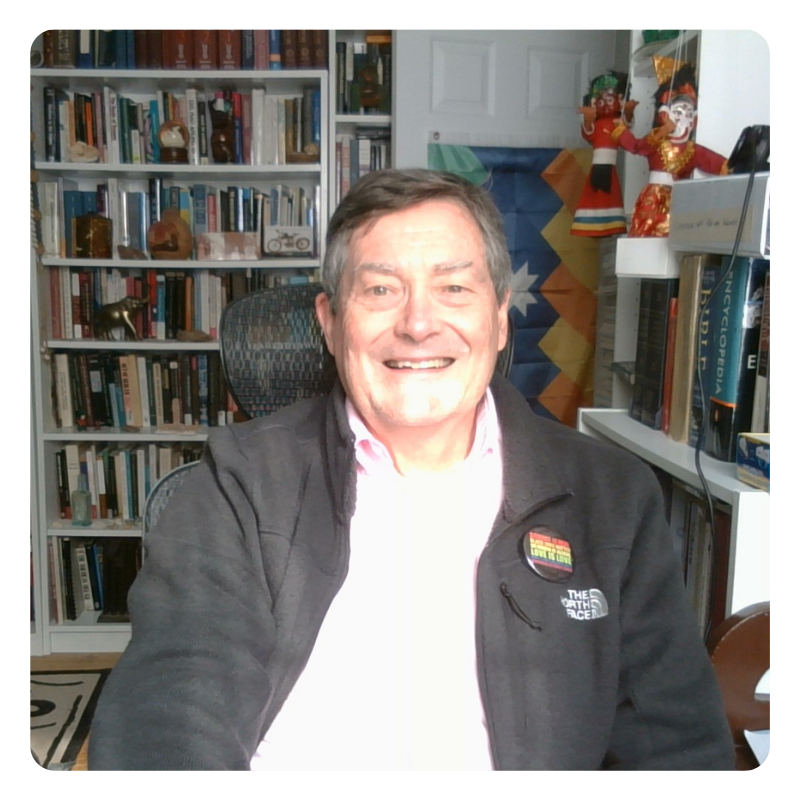
Larry Merkel, MD, PhD
Professor Emeritus in the University of Virginia Department of Psychiatry and Neurobehavioral Sciences
Presented for outstanding and enduring contributions to the field of cultural psychiatry
Richard Lawrence (“Larry”) Merkel, MD, PhD is Professor Emeritus in the University of Virginia Department of Psychiatry and Neurobehavioral Sciences. He graduated from University of Virginia School of Medicine and did his residency in psychiatry at the University of Pennsylvania. He then was a Robert Wood Johnson Clinical Scholar and a Senior Fellow at The Leonard Davis Institute of Health Care Economics at the University of Pennsylvania. He later received his PhD in Anthropology from the University of Pennsylvania.
At the University of Virginia his distinguished cultural psychiatry career has focused on the needs of Appalachia and rural mental health through clinical care, administration of clinics and programs, teaching medical students and psychiatry/family medicine residents, and leading the APA Caucus of Rural Psychiatry. From 1990 to 2012 he was Director of Psychiatric Medicine and Specialty Care Core of the Southeastern Mental Health Research Center. Since 2008 he has taught within the Department of Anthropology. In 2014 he became Director of the Global Mental Health Track and in 2015 he became Director of the Division of Outreach within the department. Throughout this time, he has been working to improve mental health care in Central Appalachia through the development of clinics, telepsychiatry and ECHO. He also directed mental health care for refugees through the Family Medicine’s International Clinic. Through the Global Mental Health Track and the Division of Outreach he has fostered international partnerships with the Mbarara University of Science and Technology in Uganda, the Universidad San Francisco de Quito, Quito, Ecuador, Totonicapán Hospital, Xela Guatemala, and the Shiprock – Northern Navajo Medical Center, Shiprock, New Mexico to enhance mental health care and training.
Throughout his career at the University of Virginia he has been the recipient of numerous awards, including the Department of Psychiatry and Neurobehavioral Medicine Faculty Teaching Award, the UVA Master Educator Award of the School of Medicine, the Dr. Martin Luther King Jr. UVA Health Award, and the Outstanding Achievement Award from the Psychiatric Society of Virginia. He is a member of the University of Virginia Academy of Distinguished Educators. Hi is a Distinguished Life Fellow of the American Psychiatric Association and has been a recipient of the APA Irma Bland Award for Excellence in Teaching Psychiatry Residents. He served on the SSPC Board of Directors from 2002-2014, and chaired the SSPC 2002 Annual Meeting in Charlottesville.
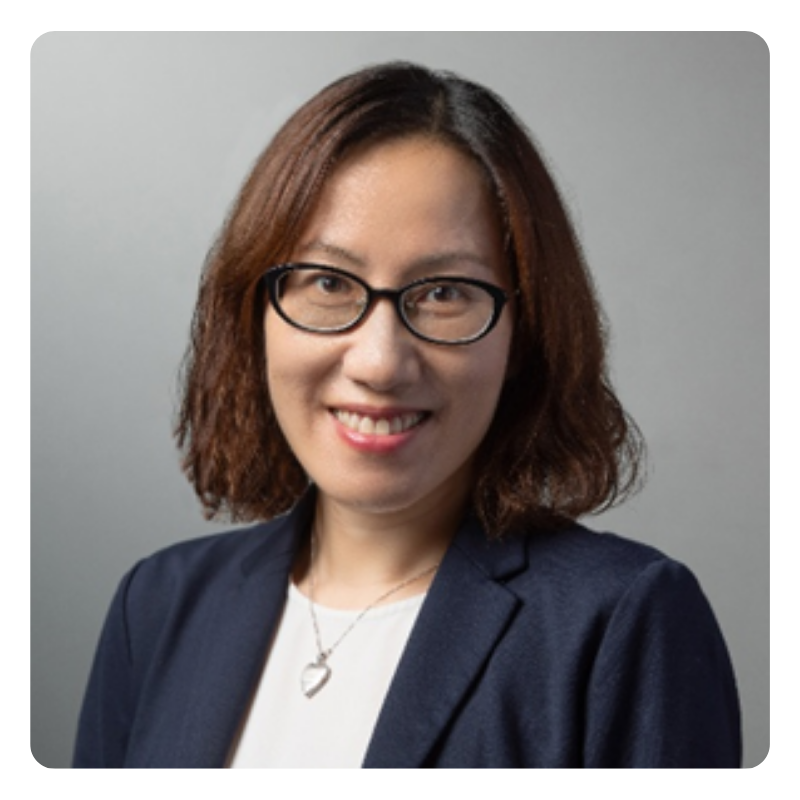
Eunice Yuen, MD, PhD
Assistant Professor of Psychiatry, Yale School of Medicine, Child and Adolescent Psychiatrist, Yale Adolescent Intensive Outpatient Program, and Associate Medical Director, Parent and Family Development Program, Yale Child Study Center
Presented for a significant creative contribution to the field of cultural psychiatry
Eunice Yuen, MD, PhD, is an Assistant Professor of Psychiatry at Yale School of Medicine, a child and adolescent psychiatrist at Yale Adolescent Intensive Outpatient Program, and Associate Medical Director at the Parent and Family Development Program at Yale Child Study Center. Her clinical and research in children’s mental health covers from basic science on genetics and neurobiology to community-based advocacy, education, and clinical intervention effectiveness research. Dr. Yuen grew up in Hong Kong and is a proud mother of two Asian American children. Dr. Yuen is the Founder and Director of Yale Compassionate Home, Action Together (CHATogether), a culturally- and family-oriented program using interactive theater as educational tools to promote mental health in minority children, young adults, and parents, for which she is awarded this year’s SSPC Creative Scholarship Award. CHATogether expanded to clinical family intervention in minoritized families in 2020, and since has received several prestigious recognitions, including Yale Child Study Center Jean Adnopoz Community Service Award, Yale New Haven Hospital Innovation Award, American Academy of Child and Adolescent Psychiatry (AACAP) Norbert and Charlotte Rieger Psychodynamic Psychotherapy Award, and Association for Ambulatory Behavioral Healthcare (AABH) Program of the Year.
Dr Yuen also serves in several professional roles, including AACAP Family Committee Member, AACAP Executive Committee Member for Children, Families, and Immigration Taskforce, AACAP Asian Caucus Co-chair, Group for Advancement of Psychiatry (GAP) Child Committee Co-chair, World Psychiatric Association (WPA) Child Psychiatry Section Member, and the Founder of the AACAP international initiative “Asian Child and Adolescent Psychiatrists Around the World”.
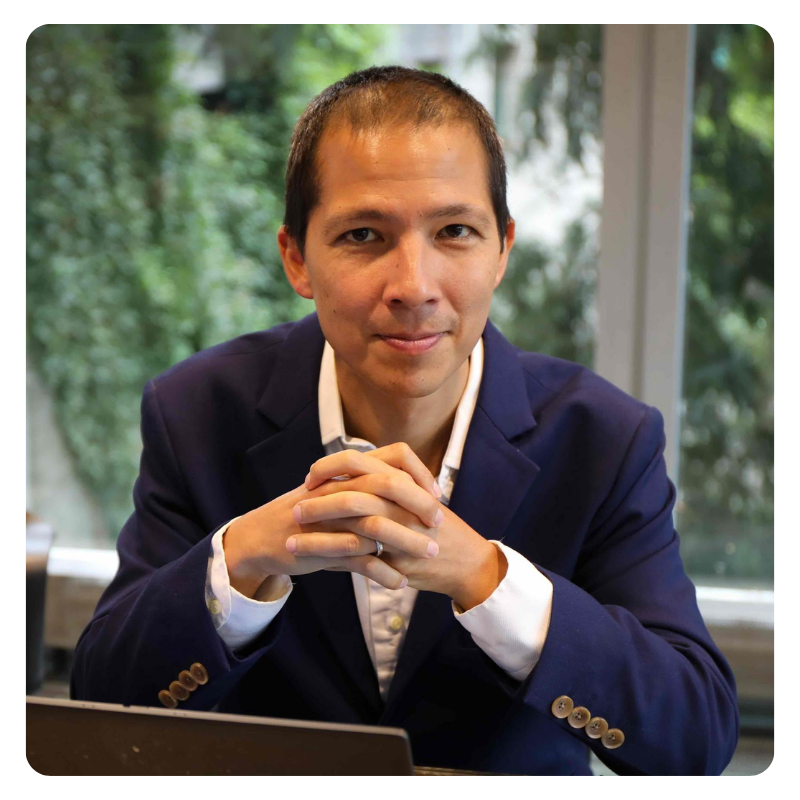
Alan Teo, MD, MS
Professor, Department of Psychiatry, Oregon Health & Science University, and Director of Education and Core Investigator, Center to Improve Veteran Involvement in Care (CIVIC), VA Portland Health Care System (VAPORHCS)
Presented for exceptional contributions to the growth and mission of SSPC
Alan Teo, M.D, M.S., has a long track record of dedicated service to SSPC. He has participated in many facets of SSPC governance dating back to 2012, including membership and finances, culminating in his leadership as Treasurer, and then most recently as President. Alan is a Professor in the Department of Psychiatry at Oregon Health & Science University, and Director of Education and Core Investigator at the Center to Improve Veteran Involvement in Care (CIVIC) at the VA Portland Health Care System (VAPORHCS). As a physician-investigator, Dr. Teo’s work intersects the fields of health services, behavioral science, and social and cultural psychiatry. The overarching theme of his research is the role of social relationships in influencing mental health outcomes. He has a particular focus on insights and interventions that can mitigate loneliness and social isolation as a suicide prevention strategy in military veterans, and he is an international authority on hikikomori.
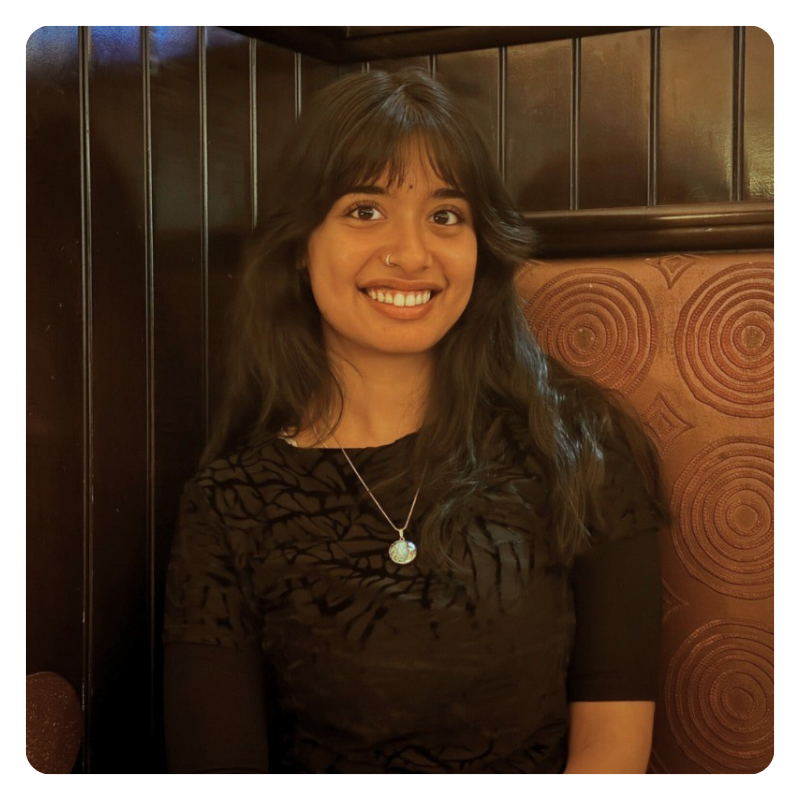
Omeesha Krishnan, BS, MA
University of Denver, Denver, Colorado
Trajectories in expatriate tragedies: Qualitative exploration among Indian women in the UAE
Presented to a graduate student who has an interest in and commitment to cultural psychiatry and mental health
Omeesha Sanjay Krishnan is a graduate student in the Master of Arts in International Disaster Psychology: Trauma and Global Mental Health program at the University of Denver's Graduate School of Professional Psychology. As a third-culture, South Indian individual who has lived and trained across India, the United Arab Emirates, and the United States, her professional trajectory reflects a deep commitment to cultural psychiatry and global mental health.
Her research examines how Western psychological frameworks contend with cultural contexts. At Cleveland Clinic Abu Dhabi's Neurological Institute, she contributed to publications examining mental health outcomes in Emirati populations with neurological conditions, revealing substantially higher rates of psychological distress than documented in Western populations. She also aided in adapting the Pain Disability Index to Arab contexts. This work has been presented at international conferences and published.
During her undergraduate degree, she explored grief trajectories in young Indian expatriate women in the UAE, challenging linear Western grief models and revealing how transnational populations navigate conflicting cultural scripts for mourning. Currently, her clinical training spans the University of Denver's Trauma & Disaster Recovery Clinic and Birch Psychology, where she provides therapy to clients with diverse cultural backgrounds and trauma histories. Her current independent research project examined Western trauma frameworks and cultural resistance in South Indian gender-based violence interventions, exploring how practitioners navigate imported Western models while honoring indigenous healing practices rooted in collective, relational, and spiritual dimensions of recovery. She is committed to decolonizing psychology and improving the appropriateness of interventions for non-Western contexts.
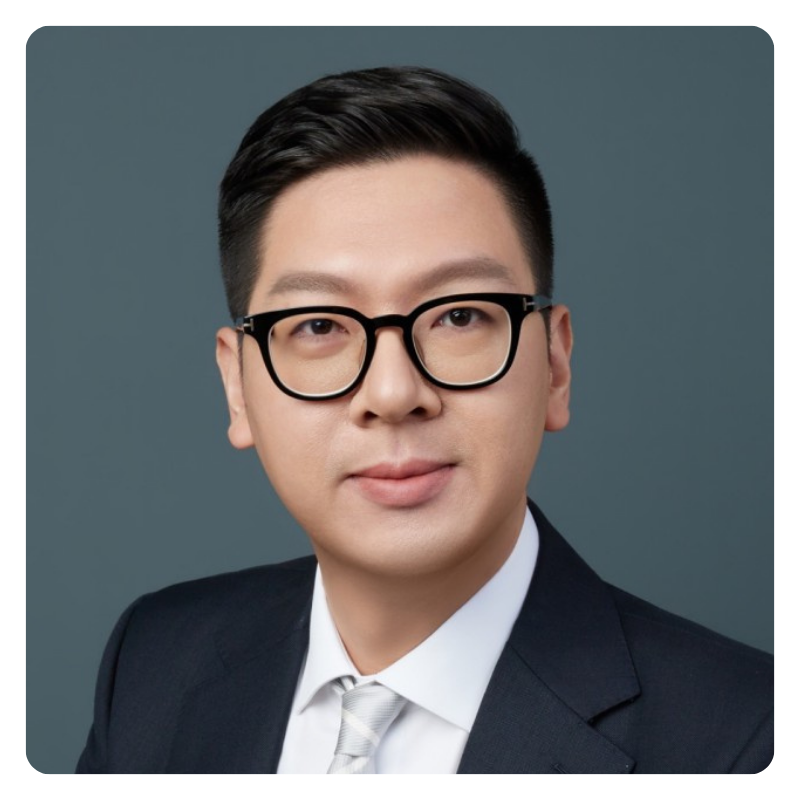
Wei-Hsiang Liao, MD, MS
Department of Psychiatry, McGill University, Montreal, Quebec, Canada
The Psychological Life of a Collective Defense: Anxiety, Identity, and Taiwan’s Silicon Shield
Presented to a graduate student who has an interest in and commitment to cultural psychiatry and mental health
Wei-Hsiang Liao is a psychiatrist and Ph.D. student at McGill University under the supervision of Prof. Laurence Kirmayer. His research examines how depression is governed and understood in Taiwan through the interplay of clinical practice, policy, and cultural narratives. Grounded in a cultural–ecosocial framework, his work investigates how diagnostic categories and institutional discourses delineate the moral and epistemic boundaries of distress and belonging.
Using ethnography, discourse analysis, and illness-narrative methods, he explores how experiences of suffering are mediated by social responsibility, productivity, and collective ideals. Trained in psychiatry, health services research, and psychotherapy, Wei-Hsiang seeks to bridge clinical psychiatry and social science to inform culturally responsive models of care. His broader interests include the localization of psychiatric knowledge in East Asia, the moral economy of distress, and the global circulation of mental-health discourses. By situating Taiwan within transnational conversations on governance and healing, he aims to illuminate how political, institutional, and psychological borders shape experiences of suffering and recovery.
Past Award Recipients
Lifetime Achievement Award
2025 - Richard F. Mollica
2024 - James (Griff) Griffith
2023 – Cecile Rousseau
2022 – Robert Kohn
2021 – Roberto Lewis-Fernandez
2020 – Francis Lu
2019 – Ted Lo
2018 – Joan Koss-Chioino
2017 – Steven Wolin
2016 – Armando Favazza
2015 – James Boehnlein
2014 – Jim Jaranson
2013 - No Award Given
2012 – Renato Alarcon
2011 – Spiro Manson
2010 – Laurence Kirmayer
2009 – No Award Given
2008 – Wen-Shing Tseng
2007 – Joe Yamamoto
2006 – Ed Foulks
2005 – Ray Prince
2004 – Bob Kraus
2003 – Joe Westermeyer
2002 – Ron Wintrob
Creative Scholarship Award
2025 - Ranna Parekh, M.D., M.P.H., Cheryl S. Al-Mateen, M.D., Maria Jose Lisotto, M.D., and R. Dakota Carter, M.D., EdD for Cultural Psychiatry With Children, Adolescents, and Families (2021) Washington, D.C.: American Psychiatric Association Press
2024 - Donna Norris, MD and Annelle Primm, MD for Mental Health, Racism, and Contemporary Challenges of Being Black in America
2023 – Devon Hinton for “Multiplex CBT for Traumatized Multicultural Populations: Treating PTSD and Related Disorders”
2022 – Sarah Vinson and Ruth Shim for “Social (In)justice and Mental Health”
2021 – H. Steven Moffic for both “Islamophobia and Psychiatry: Recognition, Prevention, and Treatment” and “Anti-Semitism and Psychiatry: Recognition, Prevention, and Interventions”
2020 – Sam Okpaku for his scholarly work in global mental health
2019 – Claire Pain for her leadership of the Toronto Addis Ababa Psychiatry Project (TAAPP)
2018 –No Award Given
2017 – Robert Lemelson for his many films in cultural anthropology
2016 – Brandon Kohrt for “Global Mental Health: Anthropological Perspectives”
2015 – Russell Lim for “Clinical Manual of Cultural Psychiatry, 2nd edition” on the DSM-5 Outline for Cultural Formulation
2014 – Roberto Lewis-Fernandez for his leadership of the DSM Cultural Issues Workgroups leading to innovations such as the DSM-5 Cultural Formulation Interview
2013 – No Award Given
2012 – Kamaldeep Bhui and Dinesh Bhugra for “Textbook of Cultural Psychiatry 2nd Edition”
2011 – James Griffith for “Religion That Heals, Religion That Harms: A Guide for Clinical Practice”
2010 – Richard Mollica for his book “Healing Invisible Wounds – Paths to Hope and Recovery in a Violent World”
2009 – No Award Given
2008 – Francis Lu for the DVD “The Culture of Emotions”
2007 – Joe Yamamoto
2006 – Laurence Kirmayer for his body of scholarly work at McGill University
2005 – No Award Given
2004 – Armando Favazza for his book “PsychoBible”
2003 – Dave Kinzie for his body of scholarly work from the Intercultural Psychiatric Program at Oregon Health and Science University
2002 – Wen-Shing Tseng for his book “The Handbook of Cultural Psychiatry”
Liz Kramer Service Award
2025 - Gwen Mitchell, Psy.D. & Brieanne Kohrt, Ph.D.
2024 - Kenneth Fung
2023 – Francis Lu
2022 - Jim Boehnlein
2021 – Bonnie Kaiser
2020 – Connie Cummings
2019 – Liz Kramer
Charles Hughes Fellowship
2025 - Dristy Gurung for Feasibility and Applicability of Implementing the Framework for Comprehensive Understanding of Structural Stigma in Mental Healthcare Systems (FOCUS-MHS): A Case Example of Nepal
2024 - Sarah Benkirane for “First- and Second-Generation Immigrants’ Criteria and Concerns about Accessing Mental Health Care”
2023 – Isaac Ahuvia
2022 – No Award Given
2021 – No Award Given
2020 – Siyabulela Mkabile for “Traditional healers’ explanatory models of intellectual disability in Cape Town”
2019 – Katherine Pizarro for “Exploring the social-ecology of parental monitoring in Peru”
2018 – Ali Giusto for “Observational measurement of family functioning for a low-resource setting – Adaptation and feasibility in a Kenyan sample”
2017 – Elsa Friis for “Family-Based Adolescent Maltreatment in Kenya – Development of a Culturally Grounded Model”
2016 – Hunter Keys for “Cholera, stigma, and the policy tangle in the Dominican Republic – an ethnography and policy analysis of Haitian migrant experiences”
2015 – Alyssa Ramírez-Stege for “Culture in Context – evaluating the utility of the Cultural Formulation Interview (CFI) in Mexican Mental Health Patients”
John Spiegel Fellowship
2025 - No Award Given
2024 - No Award Given
2023 – No Award Given
2022 – Nealie Ngo for ‘“Healing the Whole Family: An Educational Graphic Novel about Intergenerational Trauma in an Asian-American Family”
2021 – Alec Terrana for ‘“Foundations of Somali resiliency: Insights from a non-Western perspective”
2020 – Jonathan Gomez for ‘“They are coming to hurt me,’ Cries for Structurally Competent Psychiatric Care from Central American Migrants in the United States”
2020 – Andrea Mendiola for “Cultural Formulation in a Case of Spiritual Possession – Religion, Dissociation, and Culture”
2018 – Monika Karazja for “Are the arguments against global mental health and its perceived cultural insensitivity true?”
2017 – Eden Almasude for “Postpartum Depression and Psychosis in Refugee Women – A Transcultural Approach”
2016 – Saikiko Yamaguchi for “Rethinking the concept of “kokoro no kea” (care for mind) for victims of disaster in Japan”
2015 – Minoo Ramanathan