

Borders, Barriers, and Belonging: Cultural Psychiatry & Global Mental Health in a Time of Displacement and Division
April 23-25, 2026
Detroit, Michigan
47th ANNUAL MEETING
AGENDA
Click the buttons below to jump to each date on this page.
Day 1 - April 23, 2026
Registration & Coffee Bar
7:30-8:30am
Opening Remarks & President’s Welcome
Grand A
8:30-9:00am
Alan Teo, MD, MS, President, SSPC
Keynote:
Unity through diversity: Cultural psychiatry as an arena for building pluralistic civil society
Grand A
9:00-10:30am
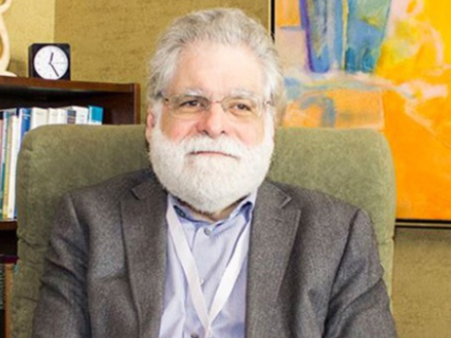
Laurence J. Kirmayer, MD, PhD
Distinguished James McGill Professor & Director
Division of Social & Transcultural Psychiatry
Director, Culture & Mental Health Research Unit
Institute of Community & Family Psychiatry, Jewish General Hospital
Read More
Break
10:30-10:45am
Concurrent Sessions
10:45am-12:15pm
-
Yazan Nagi, MD, MSc, SUNY Downstate Health Sciences University, New York, NY (he/him/his)
Roua Eltayeib, MS, LMFT, Private Practice, NY (she/her/hers)
Varun Goel, MD
The ongoing genocide in Sudan has devastated millions, and resulted in the world’s worst humanitarian crisis. Yet, its psychological consequences، particularly among children، remain underexamined in psychiatric discourse. This 90-minute session explores the psychic impact of genocide on children and families, both in Sudan and across its global diaspora. Anchored in psychoanalytic and decolonial frameworks, we examine the intergenerational transmission of trauma, the psychic toll of forced displacement, and the internalization of necropolitical violence. Through personal narrative storytelling, clinical vignettes, and collective testimony, we interrogate how the child psyche metabolizes war, state-sanctioned erasure, and the global silencing of Black suffering. We explore trauma not only as an event, but as an ongoing condition, a lived inheritance encoded through disrupted attachment, embodied symptoms, cultural loss, and epigenetic expression. The collective trauma is a result of the newest reiteration of exploitation and expansionism that many in the Global South have experienced in past decades, but further augmented by racialization, gender-based violence, and silencing by the media. The session will highlight manifestations such as somatic symptomatology, identity fragmentation, mutism, and survivor’s guilt in both Sudanese children and diaspora youth. Drawing from cultural psychiatry, trauma studies, and Black radical thought, we will reflect on the limits of Western psychiatric models in addressing collective trauma in contexts of coloniality and abandonment. Finally, we will offer pathways forward rooted in cultural healing, narrative reclamation, and the radical act of remembering. This session invites participants to bear witness, to rehumanize the Sudanese experience and to reimagine frameworks of care that are historically conscious, culturally attuned, and psychologically reparative.
-
Poojajeet Khaira, MD, Case Western Reserve University - MetroHealth, Cleveland, Ohio, (she/her)
Gaëlle Rached, MD, MSc, The Cleveland Clinic Foundation, Cleveland, Ohio (she/her)
Mary Shen, MD, MS, Brigham and Women's Hospital - Harvard Medical School, Boston, Massachusetts (she/her)
Supporting Our Youth – A Multidimensional Approach to Adolescent Mental Health
Seeba Anam, MD, University of Chicago, Chicago, Illinois (she/her)Kenneth Fung, MD, University of Toronto, Toronto, Ontario, Canada (he/him)
Background
In witnessing global migration and displacement, psychiatrists are increasingly encountering patients whose mental health is shaped by the challenges of adaptation between cultural worlds. Acculturation stress is the tension arising as individuals navigate cultural identities, expectations, and value systems. Importantly, these stressors are often downstream effects of pre-migration and post-migration structural factors, that exacerbate stress but are not inherent to individuals themselves. Furthermore, it is compounded by societal attitudes, structural discrimination, and policies that influence belonging and opportunity. Yet, it often goes unrecognized or misattributed to psychopathology. Aims
This session aims to deepen clinicians’ understanding of acculturation stress as a key contributor to mental health disparities. Participants will better understand acculturation stress in evaluation and treatment paradigms. They will explore acculturative strategies, including adaptive and resilience-based responses that reflect individuals’ strengths. Participants will learn to recognize, elicit, and address acculturation stress in diverse populations through culturally attuned frameworks and tools, such as the Cultural Formulation Interview and Berry’s model of acculturation. Methods
This interactive session will provide participants with a framework for understanding, identifying, and addressing acculturation stress in practice. Through case examples, discussion, and tools, this workshop highlights intergenerational conflicts, identity negotiation, and the impact of societal structures on well-being. Attendees will learn to explore cultural identity and acculturation experiences during clinical interviews, distinguish acculturative distress from mental illness, and integrate culturally sensitive interventions. Results/Potential Outcomes
Participants will leave the session with language, strategies, and interview tools to better evaluate, diagnose, and treat patients navigating the challenges of cultural transition. Discussion/Implications: By situating mental well-being within sociocultural, political, and systemic contexts, clinicians can move beyond purely individual formulations to recognize acculturation stress and strategies as vital dimensions of care. Doing so enables more accurate, respectful, and holistic treatment that incorporates cultural context.
-
Moderated by: Flora Cohen, PhD, University of Illinois Urbana Champaign (she/her)
Taking Root in Foreign Soil: Exploring Acculturation and Mental Health Challenges Among Chinese Immigrants in Rural America
Alex Lee, PhD, University of Illinois Urbana Champaign (he/him)
“Depression, I Didn’t Know What it was Until People started Pointing at Me”: How Mental Health Perceptions Change Along the Migration Journey
Flora Cohen, PhD, University of Illinois Urbana Champaign (she/her)
Nourishing Mental Health: The Role of Food in Immigrant Communities
Lakshya Kadiyan, University of Illinois Urbana Champaign (he/him)
Lunch (on your own)
12:15-1:30pm
Concurrent Sessions
1:30-3:00pm
-
Moderator: Ahmad Adi, MD, MPH, University of Colorado School of Medicine, Aurora, Colorado (he/him)
The Vicissitudes of Depression in Taiwan: Mapping Academic Discourses across Cultural and Epistemic Borders
Wei-Hsiang Liao, MD, MS, Department of Psychiatry, McGill University, Montreal, Quebec, Canada (he/him)
“For me, they were a strength”: Individual and Sociocultural Meaning-making Experiences of Mental Illness among College Students
Charis Stanek, BA, BA, MA, The Ohio State University College of Social Work, Columbus, OH (she/her/hers)
Cultural Psychiatry in Court: Reflections from Criminal Law Cases with Cultural Elements of Mental Health
Ahmad Adi, MD, MPH, University of Colorado School of Medicine, Aurora, Colorado (he/him)
-
G. Eric Jarvis, MD, McGill University, Montreal, Quebec, Canada (he/him)
Lisa Andermann, MD, University of Toronto, Toronto, Canada (she/her)
Kenneth Fung, MD, University of Toronto, Toronto, Canada (he/him)
Background: Psychiatry has a long history of neglecting, even disparaging, religious and spiritual identities and practices. Yet, they represent key components of culture for clinicians and patients. In a rapidly polarizing world, religious conflicts, bigotry, and discrimination have escalated alongside wars and political extremism. These world trends affect all clinicians and patients, whether directly or indirectly, and raise the baseline stress in the world around us. Objectives: This workshop aims to draw from the clinical and spiritual experience of five senior cultural psychiatrists, and one trainee, to authentically express how they reconcile or integrate their psychiatric training with their religious and spiritual beliefs and practices in a polarizing world. Methods: The six workshop moderators include one Latter-day Saint Christian, one of Jewish background, one of Sikh origin, one who studies Buddhist psychology, and one Ismaili Muslim. The trainee is a psychiatry resident with an interest in religion and mental health. Each moderator will briefly explain their position regarding religion, spirituality, and psychiatric practice. Workshop participants will not be pressured to disclose their religious identities, but honest questions and discussion will be encouraged in a context of cultural safety and humility. Results: Six perspectives on religion, spirituality and mental health will emerge from our participatory workshop and will provide participants with clinically relevant ways to engage colleagues and patients on issues of religion and mental health in a conciliatory constructive manner. Conclusion: Reconciliation between psychiatry and religious/spiritual experience is not only possible but promises rich personal and clinical rewards.
-
Reducing Perinatal Mental Health Disparities: Improving Provider Competence in Perinatal Mental Health for Culturally and Linguistically Diverse Individuals
Maithri Ameresekere, MD, MSc, Department of Psychiatry, Boston Medical Center and Boston University Chobanian and Avedisian School of Medicine, Boston, Massachusetts (she/her)
Joelle Taknint, PhD, MSc, Department of Counseling Psychology, University of Wisconsin-Madison, Madison, Wisconsin (she/her)
The Mental Health Integrated Systems Model: A Theoretical Framework to Develop Culturally-driven Interventions for Underserved Communities
Shambhavi Prathap, MA, University of Denver, Denver, Colorado (she/her) & Veehangi Singh, MA, University of Denver, Denver, Colorado (she/her)
-
Karl Marx Meets Melanie Klein
Larry Merkel, MD, PhD, UVA School of Medicine Department of Psychiatry and Neurobehavioral Sciences; Charlottesville, VA (he/him/his)
Women's Anger and Crossing the Borderline
Oluwafunmilayo Akinlade, MD, UVA School of Medicine Department of Psychiatry and Neurobehavioral Sciences; Charlottesville, VA (she/her/hers)
Boundaries of Anger and Empathy
Amir Jabr, MD, UVA School of Medicine Department of Psychiatry and Neurobehavioral Sciences; Charlottesville, VA (he/him/his)
Jayne Shadlyn, MD, UVA School of Medicine Department of Psychiatry and Neurobehavioral Sciences; Charlottesville, VA
Break
3:00-3:15pm
Concurrent Sessions
3:15-4:45pm
-
Moderator: Sapjah Zapotitla, BA, Glassboro, NJ (she/her)
Anxiety and Deportation: The Role of Religion in Immigrants with Undocumented Status
Sapjah Zapotitla, BA, Glassboro, NJ (she/her)
Association of Catatonia with Jinn Possession: A Case Report and Systems Discussion
Shian Omar, MD, University of Maryland Medical Center/Sheppard Pratt, Baltimore, MD (she/her)
Mental Healthcare of Nigerian Immigrants in North America: A Scoping Review
Darah Olaogun, BA, McGill University, Montreal, Quebec (she/her)
A Photovoice Exploration of Refugee Claimant Youth’s Experiences and Psychosocial Wellbeing in Canadian Temporary Shelters
Passang Regyal, B.A.Sc, Department of Psychiatry, Faculty of Medicine and Health Sciences, McGill University, Montreal, QC (she/her)
-
Ruta Rangel, MSc, MPH, Center for Global Mental Health Equity, George Washington University (she/her)
Background
Ensuring that people with lived experience (PWLE) of mental health conditions are meaningfully involved in evaluating received services is essential to advancing quality, equity, and belonging in global mental health. However, PWLE are often viewed as passive recipients rather than active partners in defining what “quality care” means to them. Strengthening PWLE involvement can bridge divides between providers and communities, promoting trust and accountability in systems of care. Aims/Objectives/Issues of Focus
To address this gap, our team adapted a competency-based assessment tool from the Ensuring Quality in Psychosocial and Mental Health Care (EQUIP) platform, developed by the World Health Organization and UNICEF, for service users (EQUIP-SU) to evaluate provider competencies, medication management, and mental health services infrastructure. Through participatory Theory of Change workshops in Nepal and Liberia, we collaborated with PWLE, providers, and policymakers to identify indicators of person-centered care from the service-user perspective. The resulting tool represents a shift toward shared ownership of quality. Methods/Proposition
This workshop will consist of the following components:
- Overview of the rationale for engaging PWLE as active partners in quality improvement
- Engagement of participants in reviewing the tool and implementation strategies, offering feedback, and identifying opportunities for integration across contexts
- Exploration of barriers and facilitators for PWLE use, and co-development of strategies to promote meaningful inclusion
- Discussion of how different entities, such as healthcare providers or policymakers, can use data generated from the tool. Results and Discussion
By the end of the workshop, participants will gain practical skills to apply the assessment tool within their own organizations to enhance the quality and inclusiveness of mental health care. The session aligns with the conference theme by highlighting how culturally grounded, participatory tools can transcend borders and dismantle barriers to belonging in global mental health.
-
Patricia Ackley, MD, MPAS, MS, BS, BA, Licensed IFOC Chaplain, Louisiana State University Health Sciences Center, Department of Psychiatry and Behavioral Medicine, Shreveport, Louisiana (she/her)
Juliana Fort, MD, MPH, MBA, Louisiana State University Health Sciences Center, Department of Psychiatry and Behavioral Medicine, Shreveport, Louisiana (she/her)
Lee Ackley, MPAS, BS, AS, Ordained Pastor, Private Sector - Family Practice Associates, Wichita Falls, Texas (he/him)
Cristian Botello, Doctoral Candidate Clinical Psychology, MS, BS, The University of Texas Rio Grande Valley, Edinburg, Texas (he/him)
Joshua Hollis, LPC, MS, BS, Louisiana State University Health Sciences Center, Department of Psychiatry and Behavioral Medicine, Shreveport, Louisiana (he/him)
Background: One thing humans share, no matter what life circumstance or designated demographic, is a very personal, infinitely defined, often private, and evolving force documented to affect health and disease states alike. National and international recommendations encourage training and use of what is referred to in this presentation as core care. The core is an umbrella term to represent terms that are patient centered, language diverse, extensive, and often minimized as religion or spirituality. Research shows core care not only improves the health of patients, but when used by training facilities, improves the health of medical residents and students alike, affording extrapolation to other settings. Learner Objectives: At the conclusion of this presentation, participants will be able to 1) explain core care; 2) integrate core care into patient care, training and work settings and 3) analyze themselves for knowledge gaps of our diverse world, any current practice of assumed intersectionality or reductionism or presence of personal implicit or explicit barriers to providing core care. Methods: Sixty-seven minutes of hands-on activities (individual, partner, small and larger group) will be paced using a streamlined PowerPoint presentation and original interdisciplinary worksheets. Potential Outcomes: Participants will leave the workshop able to provide core care to their patients, themselves, and others by simply using the tools taught in the session and embracing the fact that improved mental health translates to improved quality of life. Implications: The essence of core care is to know a person, not a “people group;” respect factors critically important in the life of others; and never stop learning about flourishing diversity. With minimal training, and a measure of personal resolve, users have a civilized tool to bring healing and respect into communities and the globe.
-
Kenneth Fung, MD, FRCPC, MSc, University of Toronto (he/him)
Steven Moffic, MD, Private pro bono community psychiatrist (he/him)
Yukie Kurumiya, PhD, BCBA-D, IBA, The Chicago School (she/her)
Background: In today’s divisive world, boundaries—geographic, political, ideological, and psychological—are increasingly drawn with significant and often devastating consequences. Nationalism, forced displacement, cultural polarization, and backlash against equity movements fracture individuals, families, communities, and systems. Conflict arises within and between people and institutions. Empathy and solidarity may be misread as political stances, and compassion may be limited to those seen as part of the “us.” For immigrants, refugees, racialized persons, LGBTQ+ communities, and others at cultural intersections, the pursuit of belonging is often met with exclusion. Many who champion empathy, compassion, and cultural competence feel disempowered or fearful of speaking out. Objectives: This workshop explores how cultural psychiatry, contextual behavioural science, and technology can support individuals, including clinicians, educators, and community leaders, to navigate conflict and promote reconciliation, belonging, and healing. Methods: Blending didactic teaching with experiential exercises, the workshop invites participants to explore how internalized narratives, identity fusion, and judgment perpetuate conflict across personal, interpersonal, and systemic levels. We draw on Acceptance and Commitment Therapy (ACT), cultural psychiatry, Buddhist philosophy, and digital tools to build psychological flexibility, empathy, nonjudgment, and values-based action. Participants will engage in guided reflection, role play, and narrative defusion, and apply frameworks such as the Outline for Cultural Formulation, the Cultural Relational Framework, and ACT processes. We will also consider how technology, often used to divide, can be utilized to foster empathy and deliver culturally adapted mental health interventions. Outcomes and Discussion: Mental health professionals are uniquely positioned to work at the intersection of personal and collective healing. Participants will develop practical skills to identify and address cultural and psychological contributors to conflict, reflect on positionality, and implement culturally responsive and digital strategies in clinical work, education, and advocacy. Integrating traditional wisdom and contemporary science can increase our capacity to heal through our spheres of influence.
Mentorship & Networking Roundtables
Grand A
5:00-6:15pm
Mentorship & Networking Roundtables
Topics include:
Research & Publishing – Alan & Roberto
Early Career for MDs – Smita & Francis
Early Career for non-MDs – Gwen & Bonnie
GMH- Brie & Ruta
Key Note Reflections: Laurence
Welcome Reception with Light Appetizers & Drinks
Grand C
6:15-7:15pm
Day 2 - April 24, 2026
Coffee & Arrivals
8:00-8:30am
Plenaries
8:30-10:00am
-
Supporting Our Youth – A Multidimensional Approach to Adolescent Mental Health
Seeba Anam, MD, University of Chicago, Chicago, IL (she/her)
Victor Pereira-Sanchez, MD, PhD, Columbia University, New York, NY (he/him)
Linking Hearts - A Collaboration Between Programs in China and Canada
Kenneth Fung, MD, MPH, University of Toronto, Toronto, Canada (he/him)
Bridging Borders Between Brain and Spirit: Co-Designing Community Mental Health in Ghana Through the Brain Spirit Desk Model
Rick Wolthusen, MD, MPP, McLean/Harvard Medical School, Boston, MA (he/him)
-
#1: Trajectories in expatriate tragedies: Qualitative exploration among Indian women in the UAE
Omeesha Krishnan, BS, MA, University of Denver, Denver, Colorado (she/her)
#2: The Psychological Life of a Collective Defense: Anxiety, Identity, and Taiwan’s Silicon Shield
Wei-Hsiang Liao, MD, MS, Department of Psychiatry, McGill University, Montreal, Quebec, Canada (he/him)
Break
10:00-10:15am
Concurrent Sessions
10:15-11:45am
-
Gwen Mitchell, PsyD, MA International Disaster Psychology: Trauma & Global Mental Health, University of Denver, Denver, Colorado (she/her)
Brie Kohrt, PhD, PMH-C, George Washington University, District of Columbia (she/her)
In an era marked by displacement, detention, and division, mental health professionals are increasingly called to bridge the gap between psychology and immigration law. Psychological evaluations play a pivotal role in asylum, hardship, and competency cases, shaping determinations about protection, belonging, and safety. Yet this intersection raises complex questions about neutrality, objectivity, and the limits of the clinician’s role as evaluator and expert witness. This workshop invites participants to examine the ethical, cultural, and systemic challenges inherent in global mental health practice with displaced and stateless individuals. Building on prior “nuts and bolts” trainings on evaluation procedures, this session focuses on maintaining professional neutrality and role fidelity amid rapidly shifting legal and policy contexts. Participants will review recent appellate and administrative developments including cases affecting competency, hardship, and detention and discuss how these changes influence the evaluator’s responsibilities and decision-making. Through guided small-group analysis, reflective discussion, and case-based learning, participants will explore strategies for balancing empathy with impartiality, applying trauma-informed principles without advocacy overreach, and articulating findings that are both clinically sound and legally relevant. The workshop emphasizes ethical discernment and professional integrity, aligning with the SSPC theme of “Borders, Barriers, and Belonging.” Participants will leave with frameworks for writing and testifying in ways that uphold objectivity, cultural responsiveness, and respect for the dignity of all parties involved.
-
Richard Camino-Gaztambide, MD, MA, Medical College of Georgia, Augusta University, Augusta, Georgia (he/him/his)
Saad Khan, Medical College of Georgia, Augusta University, Augusta, Georgia (he/him/his)
Imagine encountering one of these three common scenarios: 1. A devout religious conservative family brings to you their 14-year-old son because he’s attracted to other boys. 2. A pediatrician consults with you on how to approach their patients' vaccine hesitation. 3. You are preparing to address a religious group that distrusts science, but in particular psychiatry. Religious and moral worldviews can be sources of resistance to evidence-based medical treatment and prevention, like vaccines (Helweg-Larsen et al., 2023; Layocan & Ronolo, 2025; Leone et al., 2025), stigma surrounding substance abuse due to moral failings (Henderson & Dressler, 2019), or poor compliance with mental health treatment.(Zagożdżon & Wrotkowska, 2017).
How can psychological moral theories help us with these dilemmas? For most mental health clinicians, their understanding of moral development is through the work of pioneers like Jean Piaget, Lawrence Kohlberg, or Carol Gillian (Graham et al., 2013; Romig et al., 2018). These models of moral development and moral psychology are based on cognitive/rational theories of morality. On the other hand, they often fail to explain why and how we see a significant cognitive dissonance between their stated beliefs and the consequences of their actions. This workshop uses Moral Foundation Theory (MFT) as a heuristic approach to understand clinically relevant conflicting values and behaviors. MFT states that our moral decisions are based on intuitions, or deep feelings or emotions, more than intellectual or cognitive reflections. Moral intuitions are primarily emotionally based rather than a rational or cognitive reflection. MFT research has been done in multiple cultural settings (AlSheddi et al., 2019; Atari et al., 2020; Winters et al., 2024), providing robust empirical data. By presenting MFT as a heuristic model of moral behavior, clinicians gain additional tools to address patients' concerns and enhance advocacy.
-
Anna Fiskin, PhD, MD (University of San Francisco)
Kenneth Fung, MD, MPH (University of Toronto)
Trainees are welcome to bring cases for discussion, with faculty-guided consultation emphasizing practical application of cultural formulation in clinical care.
-
Moderator: Mattias Strand, MD., PhD, Karolinska Institutet & the Transcultural Center, Stockholm, Sweden (he/him)
Transnational Adoptees in Healthcare: Navigating In-Between Identities and Exclusion in Mental Health Services
Mattias Strand, MD., PhD, Karolinska Institutet & the Transcultural Center, Stockholm, Sweden (he/him)
Traditional Beliefs and Collective Mental Health Concerns Surrounding Pregnancy Loss in Limpopo Province, South Africa
Michael Galvin, PhD, Department of Behavioral Health Science and Practice, University of South Florida (him)
What is the Potential for Collaboration Between Traditional Healers and Biomedical Professionals in Intellectual Disability? Findings from a Western Cape Study
Siyabulela Mkabile, BA, MA, PhD, University of Cape Town, Cape Town, South Africa (he/him)
Annual Meeting Assembly & Awards (Lunch Included) Grand A
12:00-1:15pm
Concurrent Sessions
1:30-3:00pm
-
Task-Shifting Through Play: Defining the Practitioner Role to Bridge Behavioral Health and Belonging for Newcomer Youth
Eric Cortez, PhD, Soccer Without Borders, Oakland, California (he/him)
Swapandeep Mushiana, PsyD, Soccer Without Borders, Oakland, California (he/him)
A Pilot Human Tracking Screener at a Large Safety-Net Psychiatric Hospital in Houston
Isabel Draper, MD, MBA, University of Texas at Houston Health Science Center, Houston, TX (she/her/hers)
Ethan Faries, MD, University of Texas at Houston Health Science Center, Houston, TX (he/him/his)
Ronald Franzen, MD, University of Texas at Houston Health Science Center, Houston, TX (he/him/his)
Rishab Chawla, MD, University of Texas at Houston Health Science Center, Houston, TX (he/him/his)
-
Moderated by: Oscar F. Rojas Perez, PhD, New Haven (he/him/el)
Experiences of Racially and Ethnically Minoritized Mental Health Providers in Seattle, Washington
Ruth Assefa, MD, MPH, University of Washington (she/her)
Rachel Lockard, MD, MPH, University of Washington (she/her)
Zoe Senter, BA, University of Washington (they/them)
Toward a Liberatory Model of Psychiatric First Aid in Nigeria
Oluwafunmilayo Akinlade, University of Virginia, Charlottesville, VA; McLean Hospital, Belmont, MA (she/her/hers)
Barriers and Contributors to Mental Health Treatment Engagement Among Latine with Serious Mental Illness: A Content Analysis
Oscar F. Rojas Perez, PhD, New Haven (he/him/el)
Co-Authors: Oscar F. Rojas Perez; Monique T. Cano; Stephanie Montealegre; Maria O’Connell; Chyrell Bellamy; Jose M. Gonzalez Vera; Marilyn Perez Aviles; Andrea Mendiola; Estela Melendez; Victor Millan; Luis M. Añez; Anthony Pavlo; Michelle A. Silva
-
Selma Janbey, MD, Maimonides Medical Ceter, Brooklyn, NY (she/her)
Ghada Alatrash, PhD, Alberta University of the Arts / Georgetown University Qatar, Calgary, Canada / Doha, Qatar (she/her)
Aamer Janbey, University of Victoria, Victoria, Canada (he/him)
In July 2025, the Druze community in Sweida, Syria, was subjected to a large-scale attack widely described as an attempt at ethnic cleansing, involving systematic killings, sexual violence, and destruction of homes and hospitals. Many community members directly witnessed deaths of relatives and neighbors. These atrocities inflicted profound psychological, social, and moral injuries, eroding the community’s sense of safety, continuity, and belonging. The aftermath has been marked by collective grief, fear, and existential disorientation within a population already burdened by years of conflict and economic collapse. In the absence of a functioning mental-health system, community-based psychosocial approaches may serve as a vital pathway for recovery and meaning-making, offering survivors opportunities to process trauma, share narratives, and rebuild solidarity in the wake of collective violence.
Aligned with the SSPC 2025 theme, “Borders, Barriers, and Belonging: Cultural Psychiatry & Global Mental Health in a Time of Displacement and Division,” this workshop examines how cultural psychiatry can bridge geographic and psychological divides to restore connection and purpose in communities fractured by war and persecution. Drawing from an ongoing telehealth-based global mental-health initiative supporting community members in Sweida, the session explores how clinicians working outside conflict zones can support locally led healing efforts. Participants will gain culturally responsive frameworks for trauma psychoeducation and group healing that integrate local narratives, trauma literacy, and existential meaning-making.
Through a combination of didactic teaching and experiential exercises, participants will learn: (1) how to adapt PTSD psychoeducation for non-clinical audiences; (2) how Yalom’s therapeutic factors can inform peer and community support groups; and (3) how to apply logotherapeutic principles from Viktor Frankl’s Man’s Search for Meaning to foster resilience and purpose. The workshop highlights how global mental-health practitioners can engage in meaning-centered, community-based care that bridges psychiatry and culture—cultivating belonging where borders, both political and psychological, have fractured lives.
Break
3:00-3:15pm
Special Film Screening:
3:15-4:45pm
-
Robert Lemelson, PhD, UCLA (he/his)
Since childhood, Ketut Sudirta has lived with severe mental illness. His tumultuous adulthood is shaped by episodes of instability and violence: he wanders the streets, violently attacks his half-sister, is incarcerated and hospitalized, and questions his own existence. Ketut is also a fond friend and family member who tries to live a fruitful life, and participates in an ambitious healing process to address and redress the wrongs of which he seems a part. This longitudinal ethnographic film is shot and narrated by Ketut’s childhood friend and explores the grief, concern, and culturally-informed meaning-making surrounding a deeply troubled life.
Informal Discussions & Poster Setup Time
4:45-5:00pm
Poster Session & Reception
5:00-6:30pm
-
Combining East and West: Shen Jing Shuai Ruo and Capgras Syndrome in a Chinese-American Patient: A Case Report (Jun Hwan Kim, MD, (he/him/his); Kelsey Kershaw, MD, (she/her/hers); Lorrie Garces, MD, MPH, (she/her/hers), Central Michigan University College of Medicine, Saginaw, MI)
Culture, Context, and Safety: Training Future Physicians in Sensitive Safety Risk Assessments (Tanha Shah, MD, Wayne State University School of Medicine/Detroit Medical Center, Detroit, Michigan (she/her/hers))
Embodied Stress, Culture, and Care: Exploring Anxiety, Depression, and Somatic Symptoms in South African Parents of Children with Neurodevelopmental Disorders (Hannah Langman, BS, MA-C, University of Denver. Denver, Colorado (she/her))
Navigating Trauma Theory: Western Frameworks, Cultural Resistance, and Survivor-Centered Care in South Indian GBV Intervention (Omeesha Sanjay Krishnan, University of Denver, Denver, Colorado (she/her))
Faith, Family, and Vergüenza: Latine Culture, Religion, and the Stigma of Mental Illness (Monique T. Cano; Stephanie Montealegre; José M. González Vera; Marilyn Perez Avilés; Andrea Mendiola; Estela Meléndez; Víctor Millán; Luis M. Añez; Michelle A. Silva; Oscar F. Rojas Perez)
A Systematic Review of Literature on Stress Reduction Interventions for African American Children and Adolescents (James Aboagye, BS, UC Davis School of Medicine & Sacramento, CA (he/him/his))
Characterizing Emergency Psychiatric Care Among American Indian and Alaska Native People (Cole Haskins, MD, MPH, Denver Health Medical Center, Denver, Colorado; and University of Colorado, Aurora, Colorado (he/him))
Unspoken Conflicts, Lasting Impacts: Lateral Violence, Transgenerational Trauma, and Mental Health in Two Minoritized Groups in Sweden (Mattias Strand, MD, PhD, Karolinska Institutet & the Transcultural Center, Stockholm, Sweden (he/him))
Provider, patient, and interpreter perspectives on remote medical interpreting: a mapping review (Mahad Ahmed, BA, New Orleans (he/him))
Between Trans and Culture (Sanjana Kumar, MD, Cambridge Health Alliance, Cambridge MA (she/her))
Caring for the System: Moving Through Impasses for Adults with Autism (Charles Johnsen, MD & Puneet Sahota, MD, PhD, Cooper University Health Care, Camden, NJ (she/her))
Board Meeting & Dinner (Invitation Only)
6:30-9:00pm
Day 3 - April 25, 2026
Networking & Coffee Bar
8:00-8:30am
Concurrent Sessions
8:30-10:00am
-
Moderated by: Rochelle Frounfelker, ScD, MPH, MSSW, Lehigh University, Bethlehem, PA (she/her)
Helping One Another is a Human’s Responsibility: Social Support, Psychosocial Wellbeing, and Aging Bhutanese
Puja Thapa, MA, Lehigh University, Bethlehem, PA (she/her)
Aastha Singh, MA, Lehigh University, Bethlehem, PA (she/her)“Stuck in Between Two Worlds”: Alcohol and Substance Misuse Among First Generation Youth and Young Adult Ethnic-Nepali Bhutanese with a Refugee Life Experience
Rochelle Frounfelker, ScD, MPH, MSSW, Lehigh University, Bethlehem, PA (she/her)
Culture, Stigma, and Suicide Prevention in the Bhutanese Community
Tej Mishra, MPH, Bhutanese Community in Harrisburg, Harrisburg, PA (he/his)
-
Brandon Newsome, MD, Sheppard Pratt, Rockville, MD (he/him)
Meghan Schott, DO, University of Utah, Salt Lake City, UT (she/her)
Anindita Chakraborty, MD, Michigan Department of Health & Human Services, Northville, MI (she/her)
Background: Emergency departments (EDs) frequently serve as the first access point for psychiatric care among refugee, displaced, and undocumented individuals. The Emergency Medical Treatment and Labor Act stands as one of the few enforceable legal guarantees of emergency care. Yet, structural stigma, xenophobia, and the criminalization of mental illness limit this promise, particularly for migrants, refugees, and racialized communities. Institutional policies offer partial protection but fail to dismantle internal “borders” such as documentation anxiety, interpreter scarcity, and implicit bias. These contradictions can produce moral distress among clinicians and erode patient trust. However, intentional practices—language inclusivity, visible privacy protections, and partnerships with community advocacy groups—can transform the ED and intensive services from a site of containment into one of refuge. Objectives: This presentation highlights the challenges of undocumented and underinsured individuals in accessing behavioral healthcare. Drawing on clinical perspectives and policies, this session examines how emergency and intensive psychiatric services navigate the intersecting forces of policing, stigma, and local policy constraints.
Methods: Presenters will discuss the current emergency care landscape and inclusive/special considerations to improve access to the full spectrum of psychiatric care. This will be accomplished via case-based learning. It ends with reflections on current advocacy challenges/opportunities to improve healthcare in undocumented and underinsured populations.
Results: This talk explores how systems of care can either replicate structural exclusion or serve as modern sanctuaries for psychological and social healing. Participants will be empowered to incorporate trauma-informed, culturally safe, and de-policed models of crisis care.
Discussion/Implications: Behavioral healthcare represents a space where federal mandates, local politics, and human vulnerability converge. Clinicians confront institutional constraints that pit duty to the patient against policy mandates, immigration enforcement, and resource scarcity potentially creating moral injury. Reimagining psychiatric crisis intervention is both a clinical and civic act—affirming dignity, inclusion, and the right to care.
-
Richard Zhang, MD, MA, Yale Child Study Center, New Haven, CT (he/him)
Cristina Valentin-Rivera, MD, Yale New Haven Hospital, New Haven, CT (she/her)
David Patron, MD, MS, UC Davis Health, Davis, CA (he/him)
Jenn Jolivert, MD, Brigham and Women's Hospital/Harvard Medical School, Boston, MA (she/her)
Mario Montelongo, MD, UTHealth Houston, Houston, TX (he/him)
Background: Physicians and mental health professionals enhance therapeutic outcomes by identifying, processing, and managing their countertransference reactions towards patients. Effective countertransference management supports the therapeutic alliance, treatment adherence, clinical outcomes, and clinician well-being. However, traditional psychodynamic approaches to countertransference, when applied without cultural humility, may not fully account for the impact of sociocultural factors. In cross-cultural therapeutic relationships, this oversight risks misinterpreting culturally normative behaviors as maladaptive or even pathological. Conversely, culturally concordant provider-patient dyads face distinct risks, including boundary crossings and overidentification with patients’ experiences. Culturally informed management of one’s countertransference is thus essential to reducing bias and promoting equitable healthcare.
Objectives:
This interactive workshop will highlight the complex interplay of countertransference and cultural factors. Participants will develop skills such as exploring their own countertransference in both cross-cultural and culturally concordant clinical encounters, acknowledging and managing such feelings, building compassionate therapeutic attitudes, and familiarizing with the DSM-5 Cultural Formulation Interview (CFI). Methods:
This workshop will review countertransference and its implications, cultural humility versus cultural competence, cultural concordance/discordance, and the CFI. Co-facilitators will lead a didactic session and share examples of culturally modulated countertransference in their own practices. Participants will discuss four case vignettes to apply a culturally informed approach to clinical encounters. Participants will reflect on their own experiences and describe lessons learned from this workshop and how to apply them in everyday practice. Potential Outcomes:
Participants will gain insights into sociocultural considerations in managing countertransference, recognize potential modifications in their practice that can enhance clinical outcomes, and work with patients across various cultural contexts with greater confidence and efficacy. Discussion:
Individual psychological and group-level sociocultural factors that modulate patient-provider relationships do not exist in isolation, but instead continuously, intricately intertwine. Providing optimally effective, equitable care often necessitates deliberate cognizance of them and commitment to psychosocial understandings of patients."
Break
10:00-10:15am
Concurrent Sessions
10:15-11:45am
-
Solidarity in Practice: Building Psychiatry Residents’ Comfort, Skills, and Readiness for Asylum Evaluations
Joslyn Santana, UC Riverside School of Medicine (she/her/ella)
Designing a Global Mental Health Curriculum for Community Hospitals: Bridging Global and Local Care
Quincy De Young, MD, Maimonides (she/her/hers)
Selma Janbey, MD, Maimonides (she/her/hers)
-
Moderator: Joelle Taknint, PhD, MSc, University of Wisconsin-Madison (she/her)
Use of Passive Sensing Data to Distinguish Adolescent and Young Adult Mothers With and Without Depression in Rural Nepal
Anvita Bhardwaj, MSPH, PhD, Massachusetts General Hospital, Boston, MA (she/her)
Towards Parsimony in Mental Health Symptom Monitoring for Refugees and Asylum Seekers: Investigation of the Refugee Health Screener (RHS-15) as a Measure of Symptom Change
Joelle Taknint, PhD, MSc, University of Wisconsin-Madison (she/her)
Asra Ahmed, MS, Boston University, Boston, MA (she/her)
Youth Perspectives on the Cultural Acceptability of a Novel Suicide Care Intervention: A Qualitative Analysis of the Swift Outpatient Alternatives for Rapid Stabilization (SOARS) Program
Alec Terrana, MD, MPH, University of Washington, Seattle, WA (he/him)
-
Moderator: Mario Braakman, MD, PhD, Tilburg Law School, Tilburg University, Tilburg, The Netherlands
Unsafe Spaces: Social Media Surveillance and the Erosion of Digital Belonging for Immigrants
Chaden Noureddine, MD, New York (she/her)
Michael Boring, MD, Emory University, Atlanta, Georgia (he/him)
Survivors, Collaborators, Peacemakers: Transnational Military Wives in Uganda and the Gender Perspectives of Global Security
Grace Akello, PhD, Gulu University, Faculty of Medicine, Gulu, Uganda
Aliya Souhaid, PhD
Psychosis from the Perspective of Cultural Communities
G. Eric Jarvis, MD, McGill University, Montreal, Quebec, Canada (he/him)
Cultural Crime Analysis
Mario Braakman, MD, PhD, Tilburg Law School, Tilburg University, Tilburg, The Netherlands
Lunch & Learn
12:00-1:15pm
-
Yazan Nagi, MD, MSc, SUNY Downstate/Kings County H+H (he/him/his)
Abrar Ebady, MD, MBS, Rutgers New Jersey Medical School (she/her/hers)
Cultural humility and structural competency are foundational elements in the training of all mental health professionals. Cultural humility emphasizes ongoing self-reflection and awareness of how both patients’ and clinicians’ cultural backgrounds influence therapeutic dyads. However, cultural humility alone is insufficient to address the complex and evolving intersections between identity, power, and structural violence that shape mental health. Psychiatry has historically evolved within western, colonial, and class-based paradigms, often pathologizing behaviors of survival and resistance among marginalized populations. A decolonizing framework, rooted in the principles of liberatory psychiatry, urges clinicians to move beyond the individual to interrogate the structural. This session will present clinical cases and research illustrating how structural oppression, through mechanisms such as incarceration, displacement, racism, economic exploitation, and war, creates psychological injuries not fully captured by existing diagnostic systems. These cases will attempt to capture the complexity such systems introduce into the day-to-day living and treatment of those subjected to them. The criminalization of mental illness exemplifies how psychiatry can mirror carceral logics, compounding the harms of structural inequity. We propose that understanding these mechanisms is not only ethically essential but also central to effective care. Integrating a liberatory framework requires clinicians to expand their roles beyond the therapy room—to engage in community partnership, advocacy, and collective healing. Along with the cases, we will provide appropriate questions, interventions, and public health knowledge pertaining to the case to better guide the liberatory approach, which is particularly vital for patients from collectivist or historically oppressed backgrounds whose suffering cannot be disentangled from sociopolitical contexts. Ultimately, this session invites clinicians to reimagine psychiatry as a tool for liberation rather than containment: one that contextualizes distress within systems of power and redefines care as an act of solidarity, advocacy, and justice.